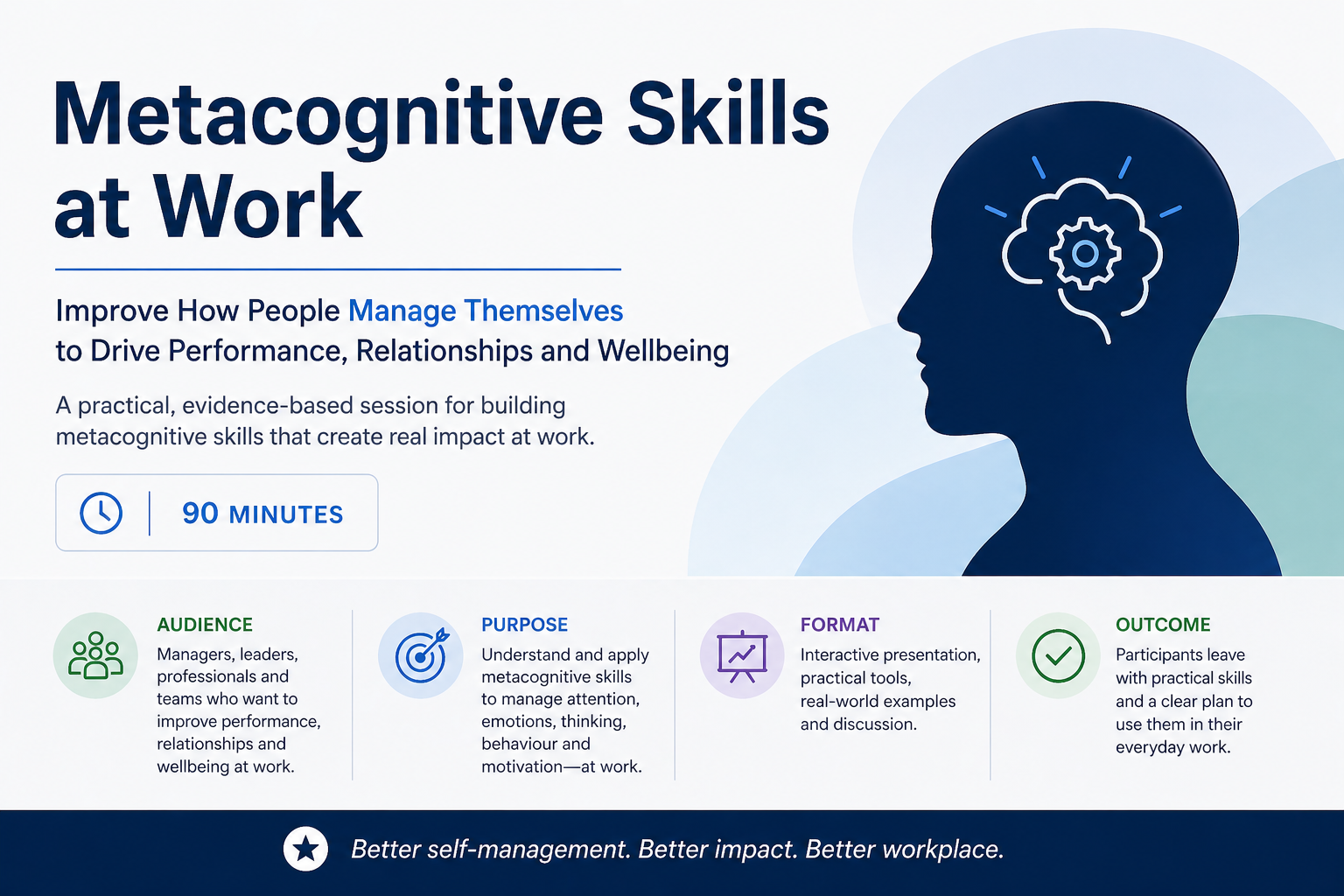
This Lunch & Learn focuses on a simple but important idea:
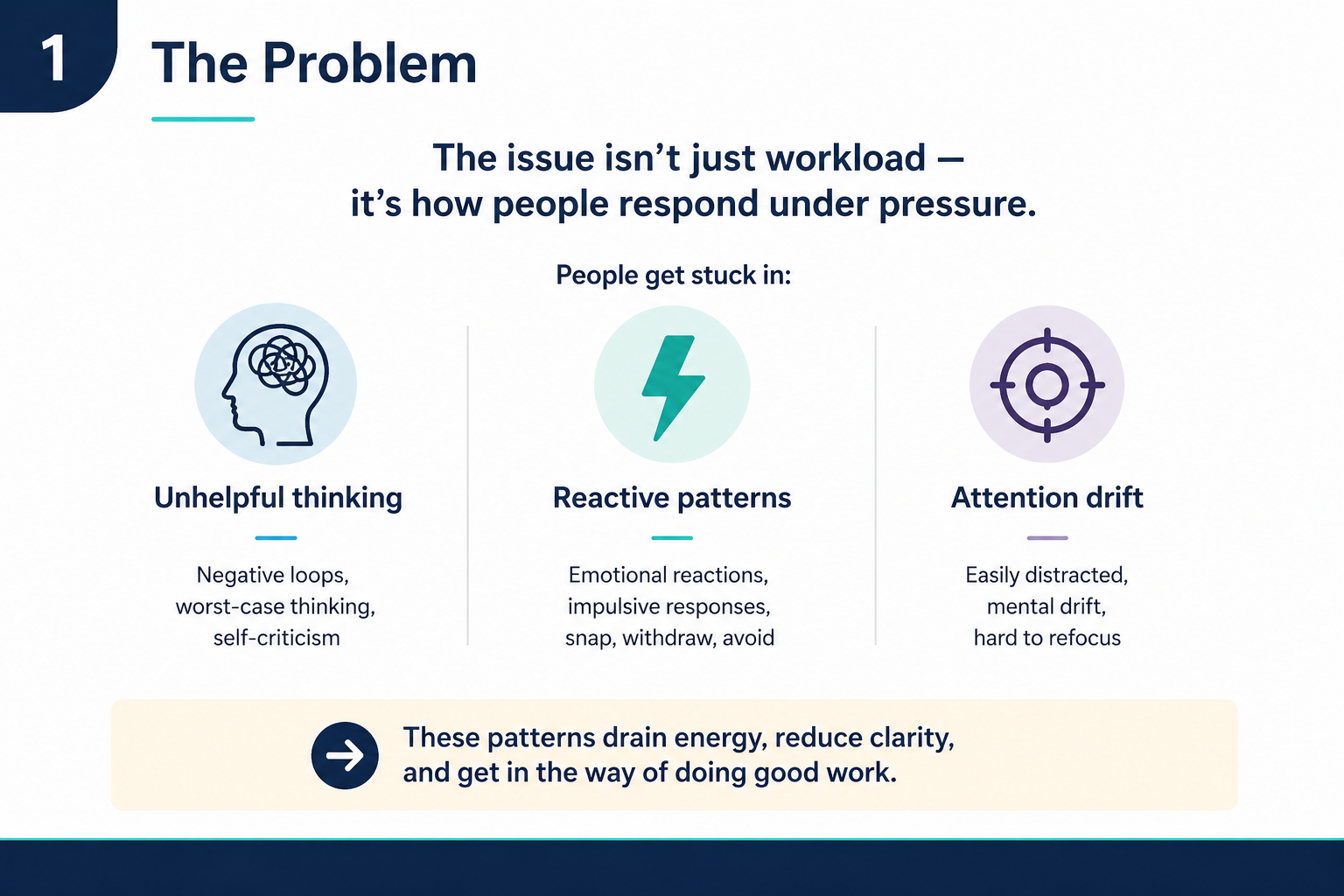
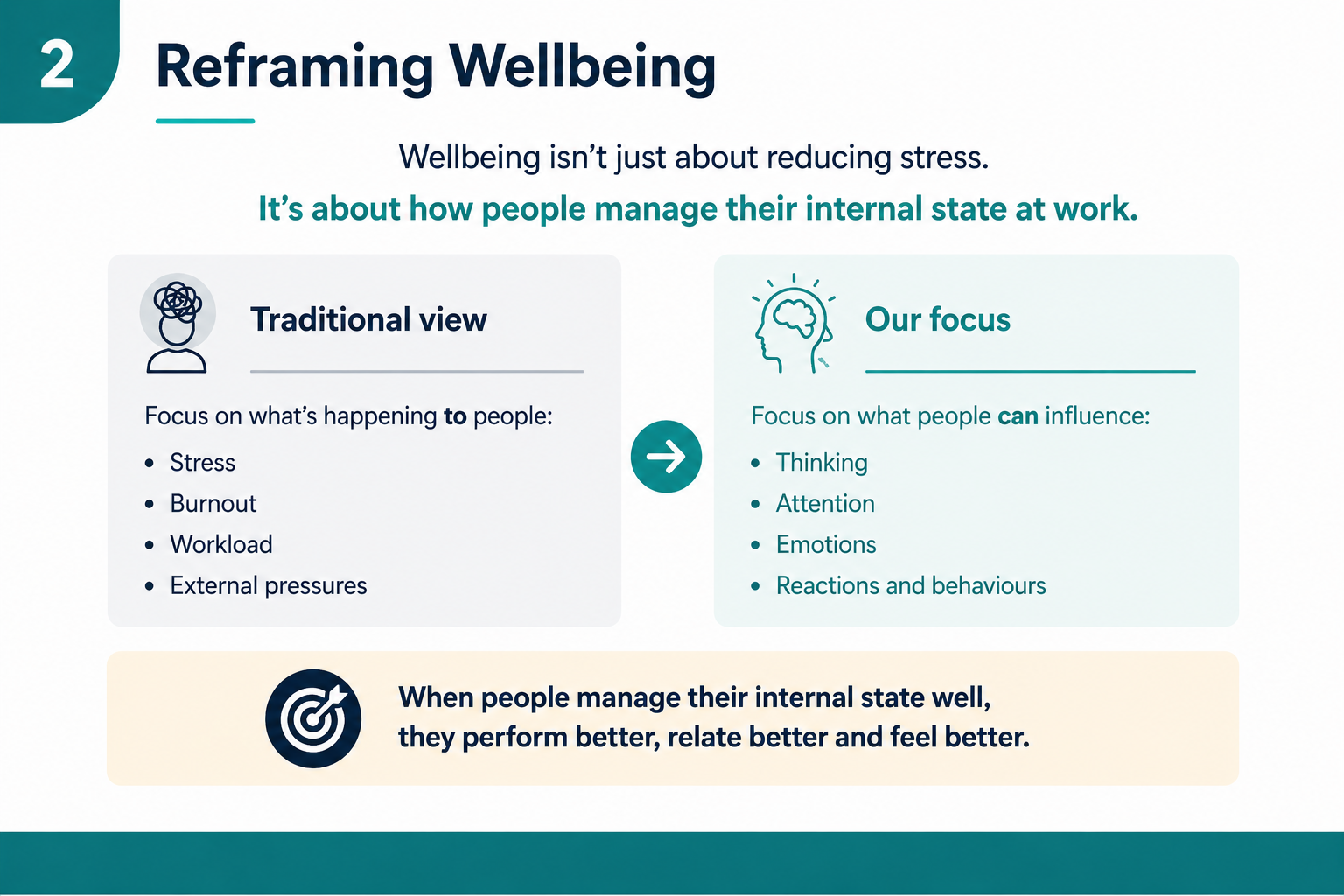
Most workplace performance conversations focus on:
- workload
- stress
- burnout
- process
- productivity
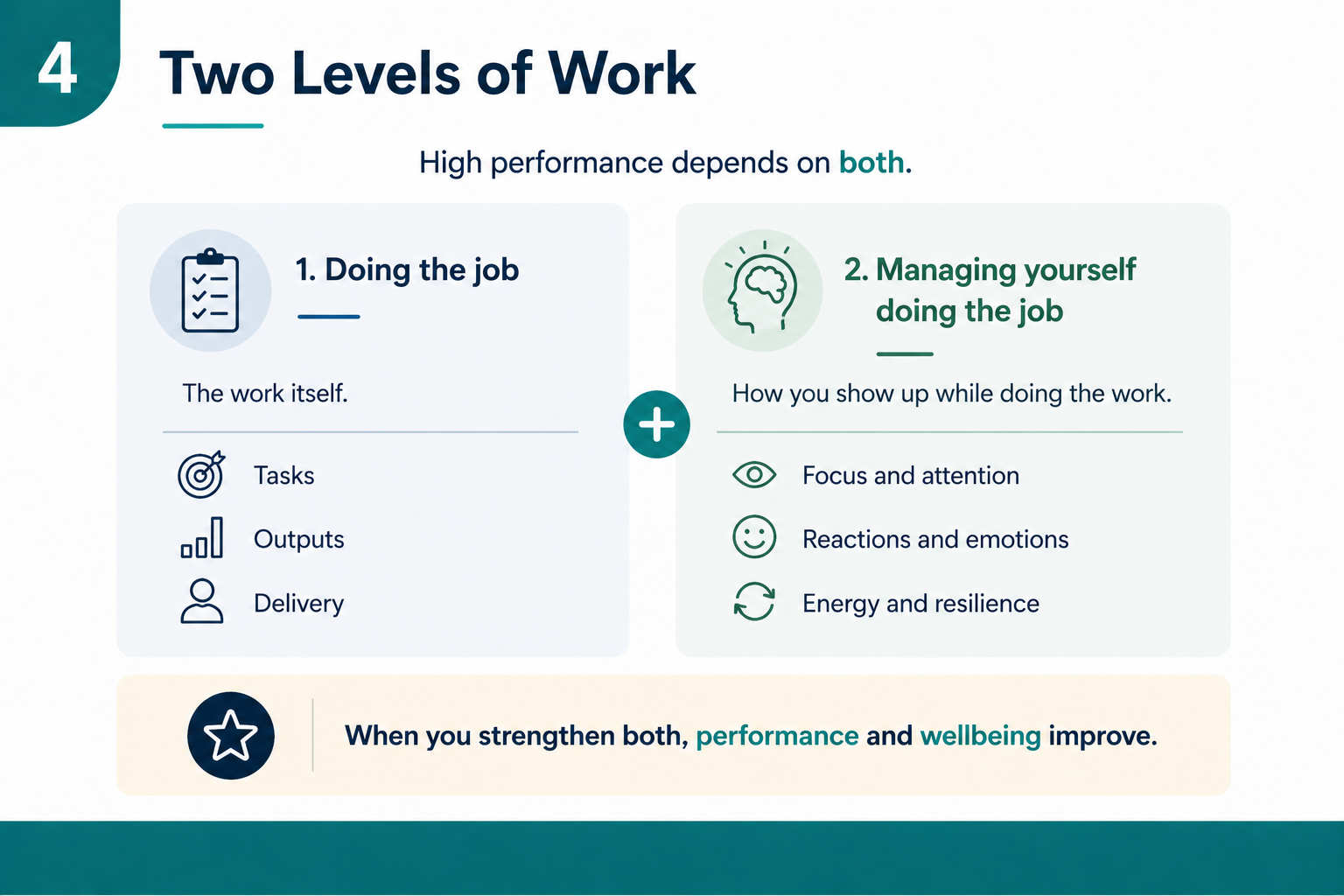
But a large part of day-to-day performance comes from something else:
how people manage themselves while they work.
That includes:
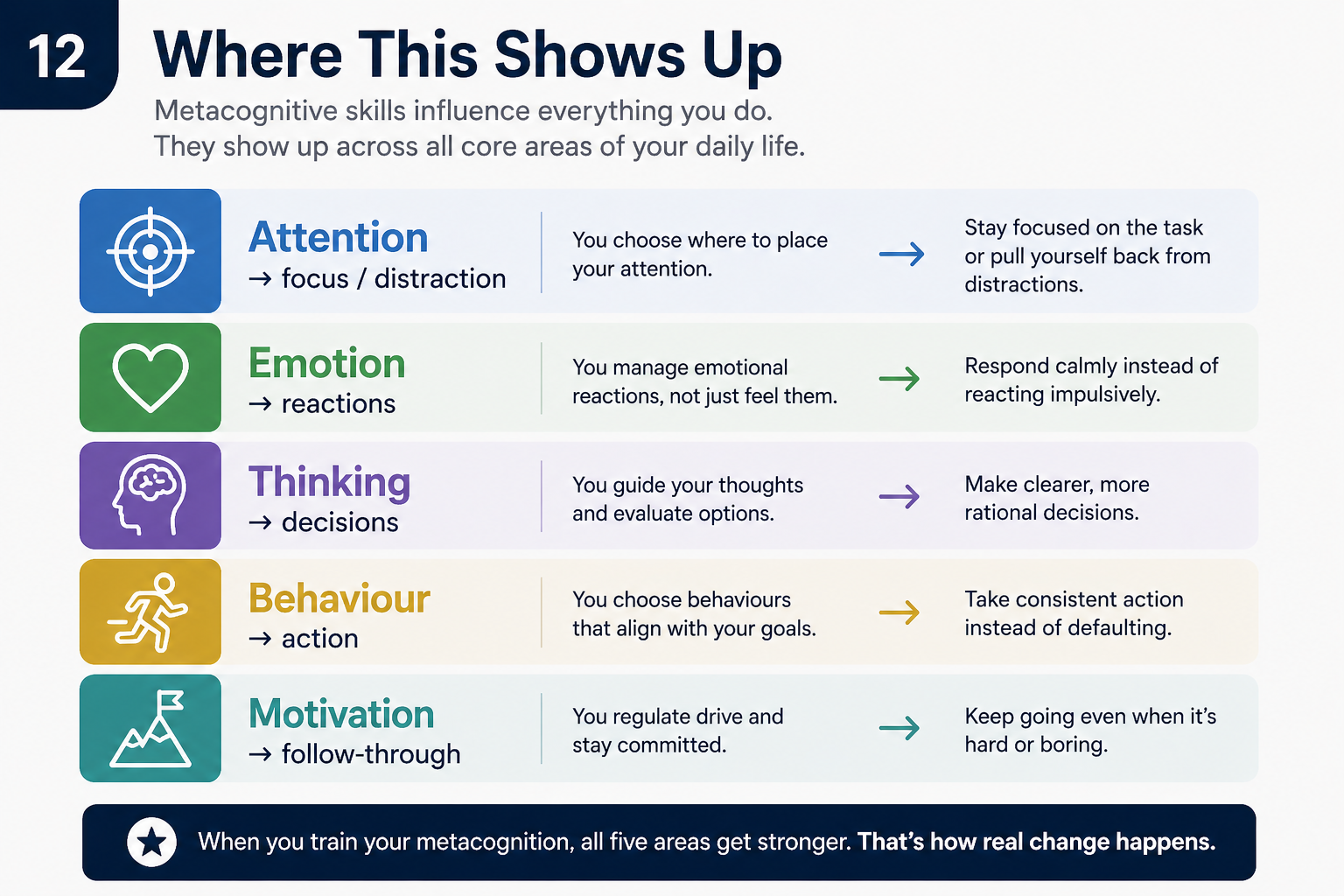
- attention
- reactions
- thinking under pressure
- emotional responses
- focus
- follow-through
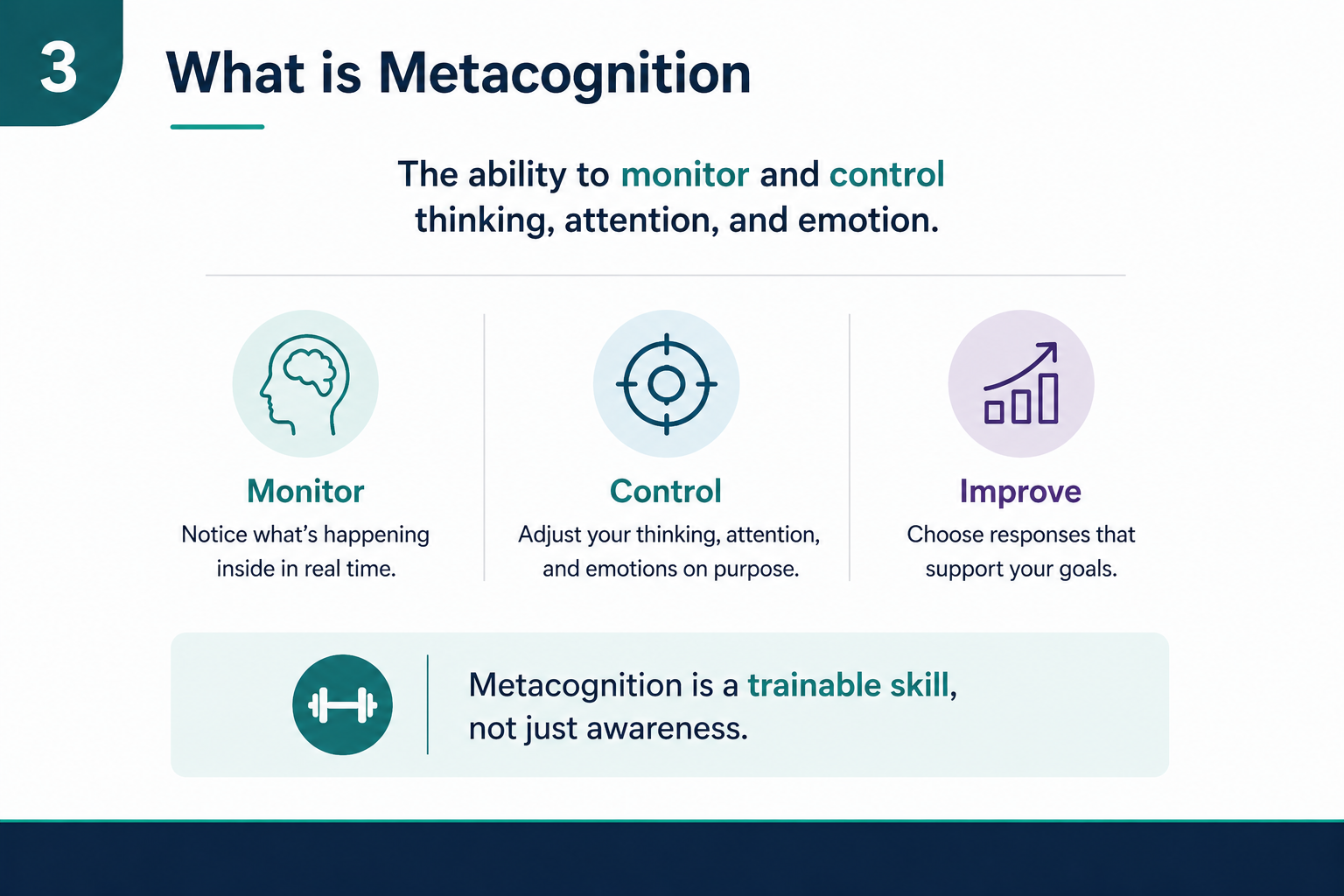
The session explores the difference between:
- simply noticing what is happening internally (meta-awareness)
- and actively managing it in real time (metacognition)
What the session covers
The session walks through:
- how unhelpful mental patterns show up at work
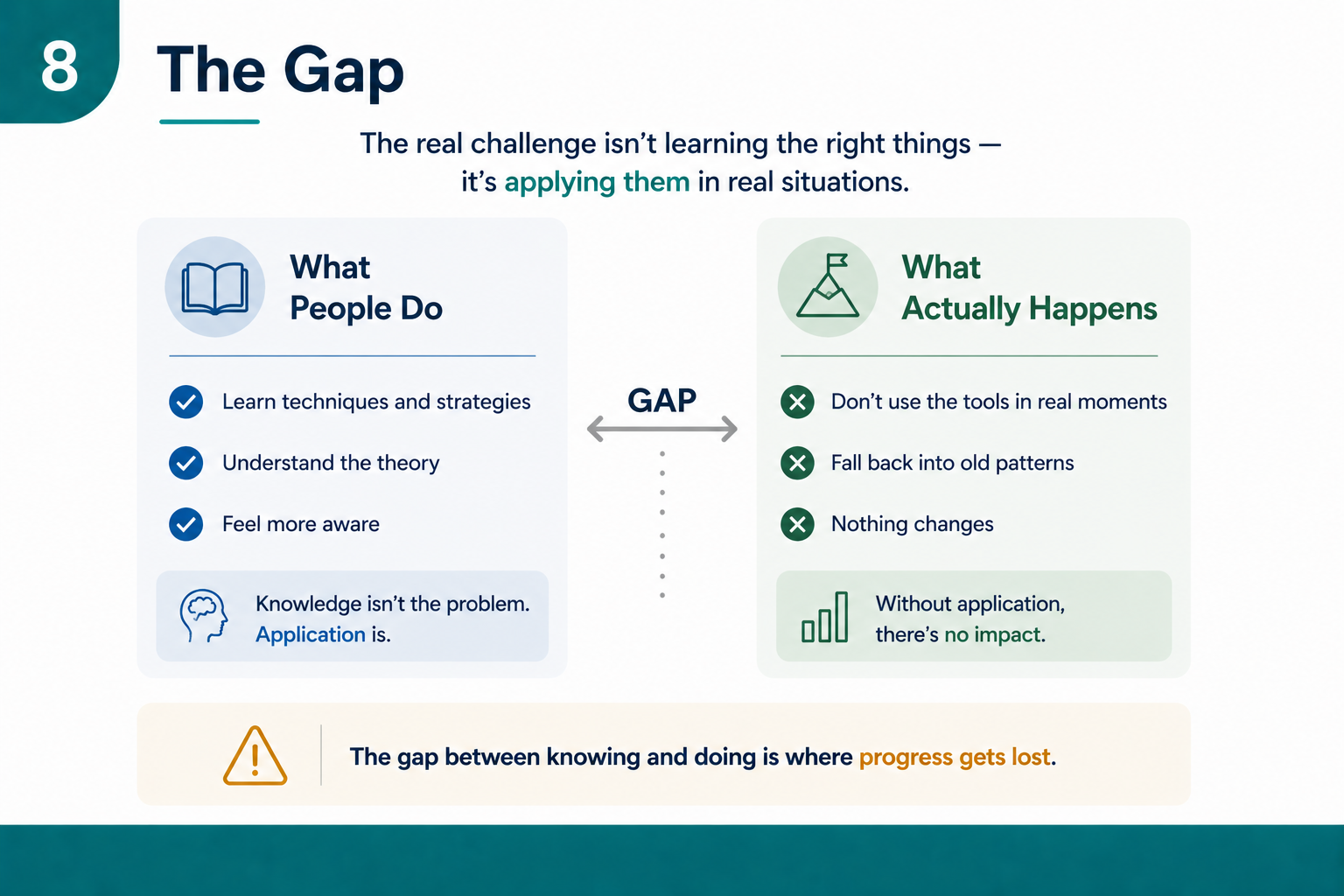
- why people often know what to do but fail to apply it under pressure
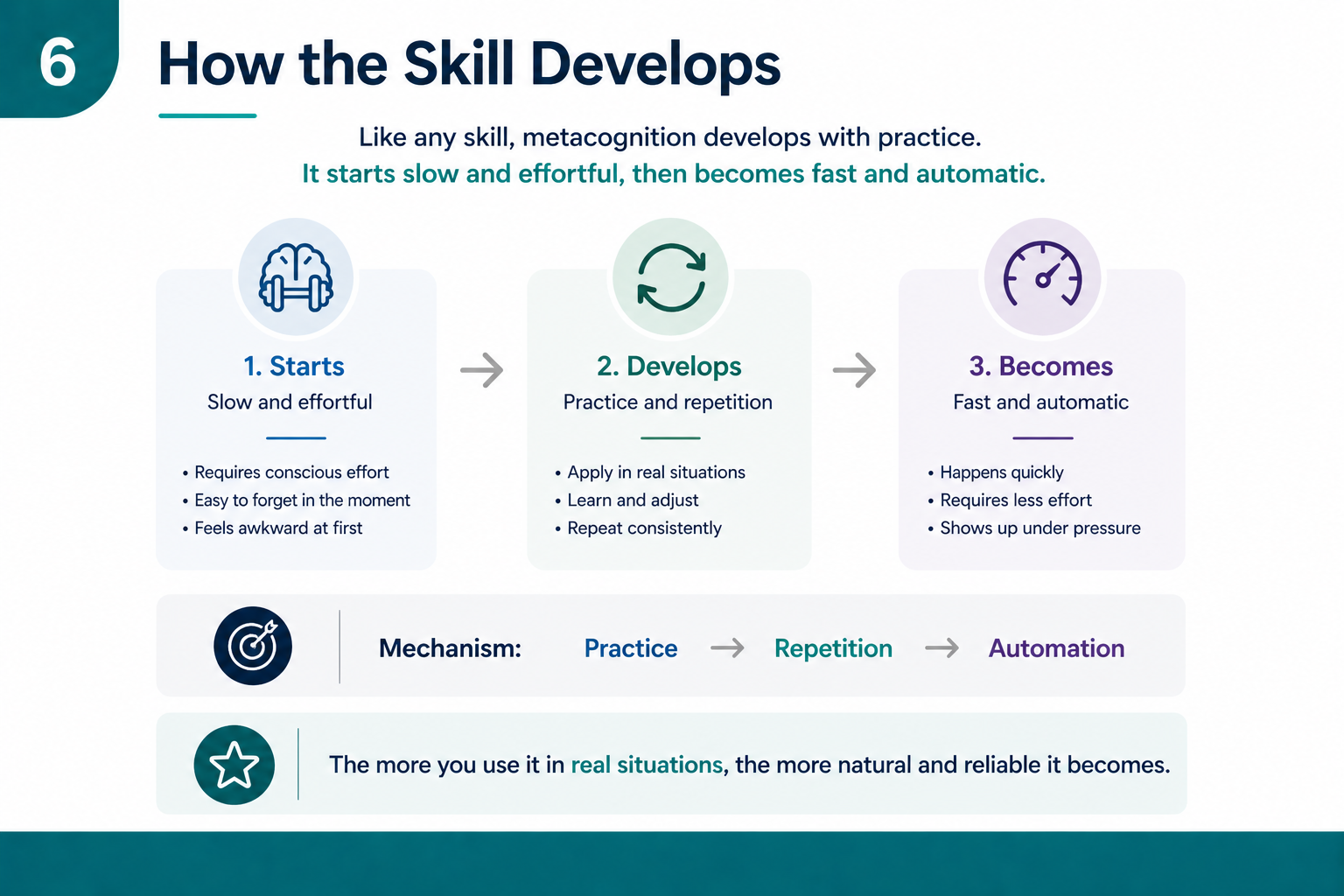
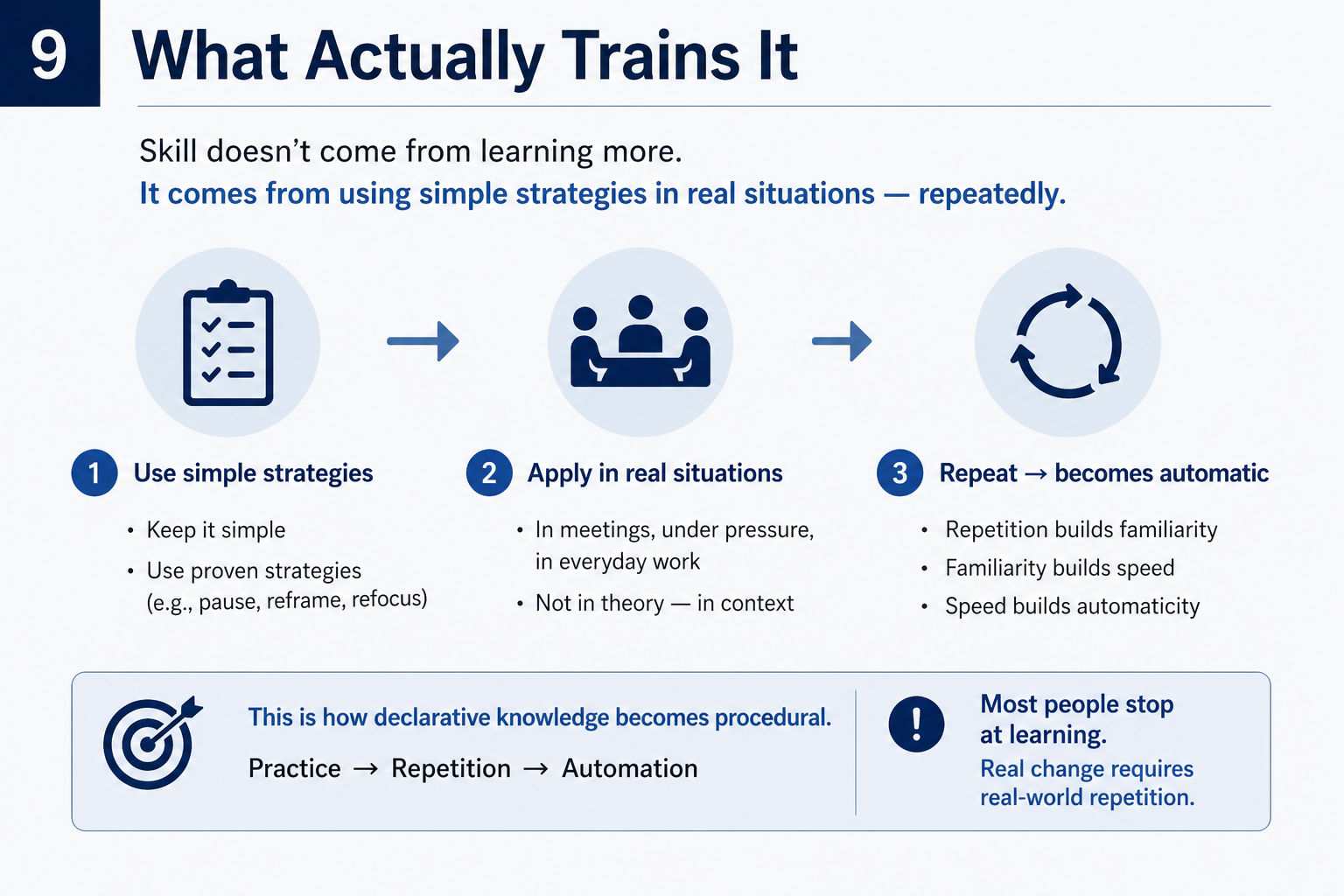
- how metacognitive skills develop through repetition and real situations
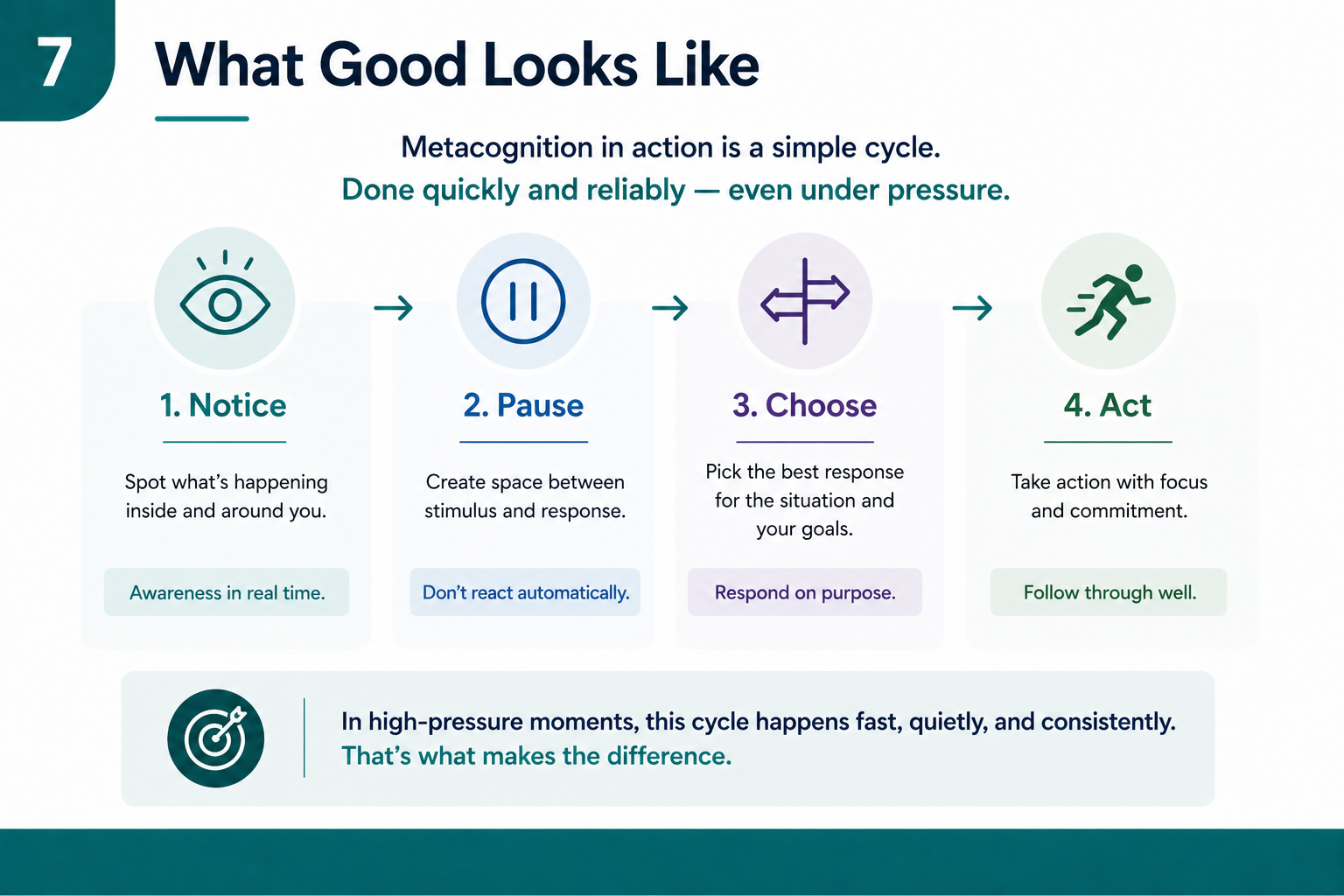
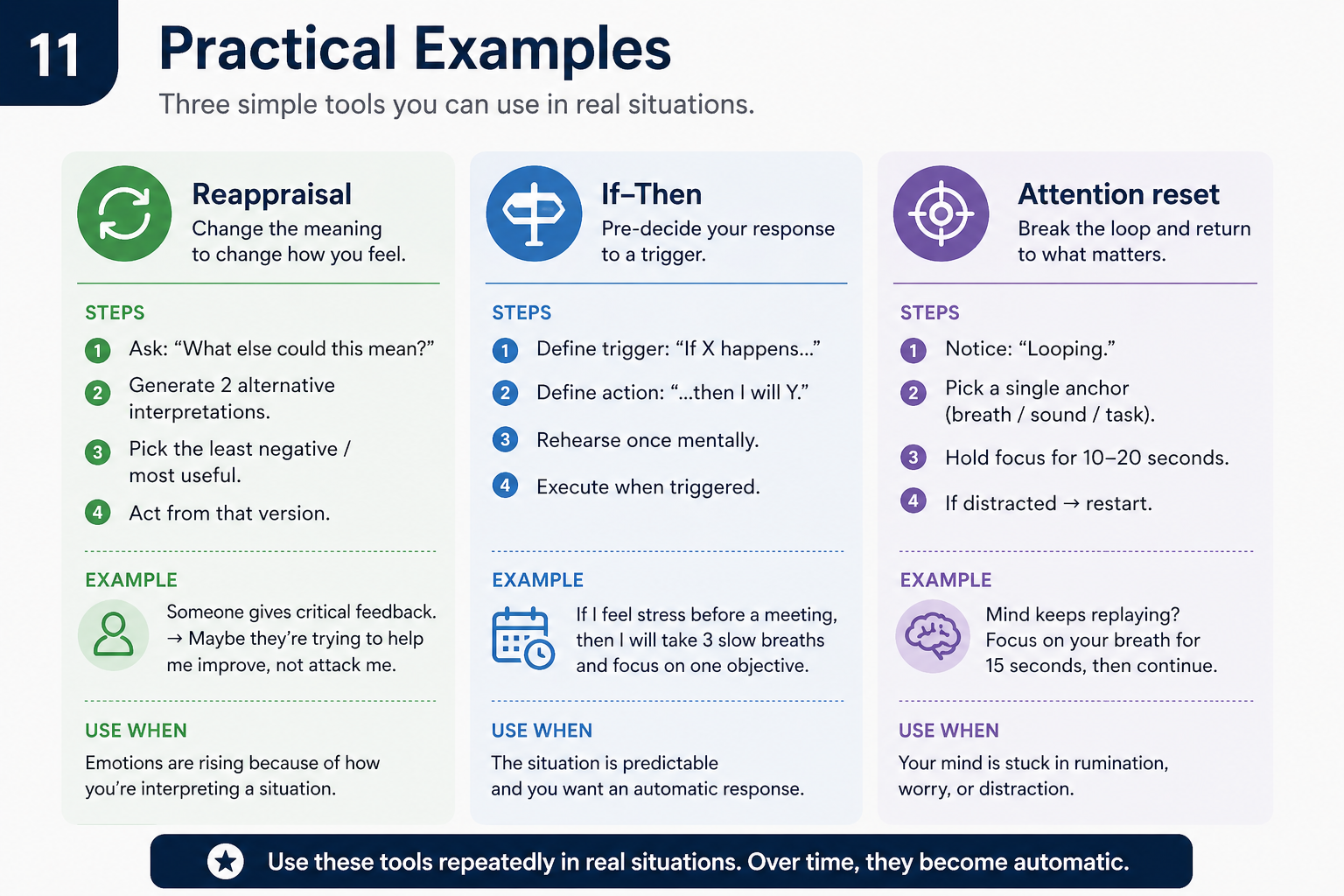
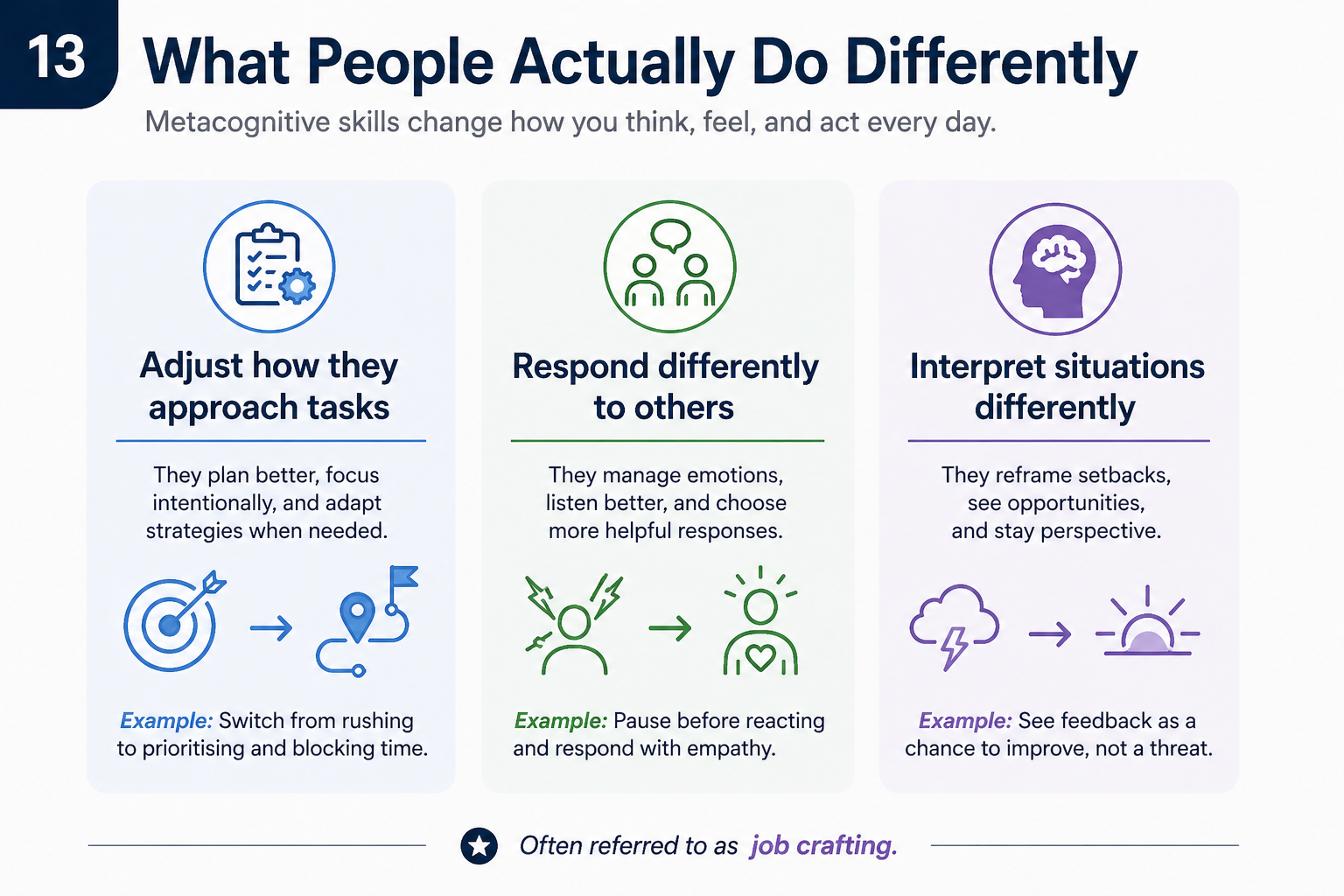
- what good self-management actually looks like in practice
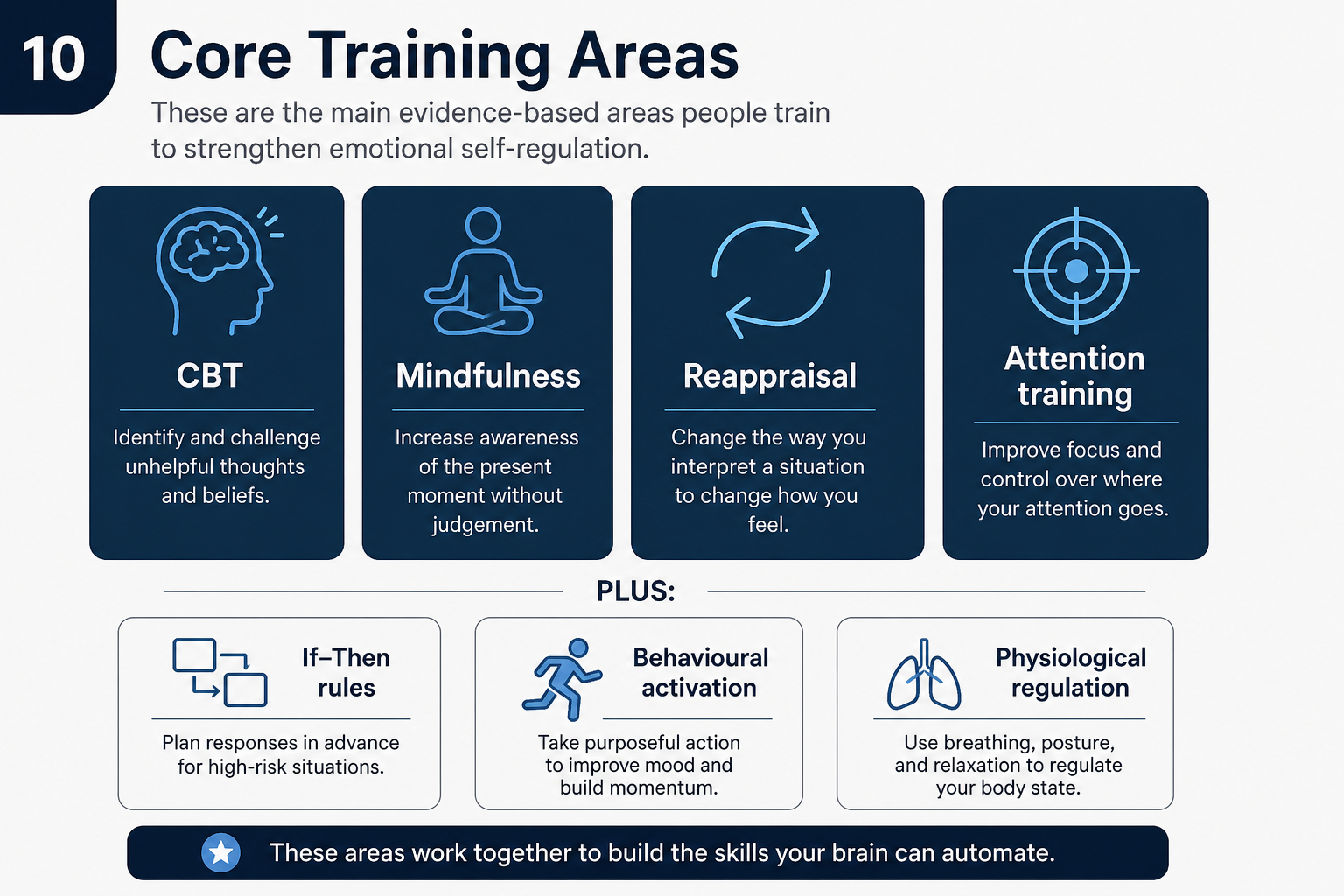
- and the main evidence-based approaches used to strengthen these skills
The focus is practical rather than theoretical.
The aim is not to teach people more concepts.
It’s to help people:
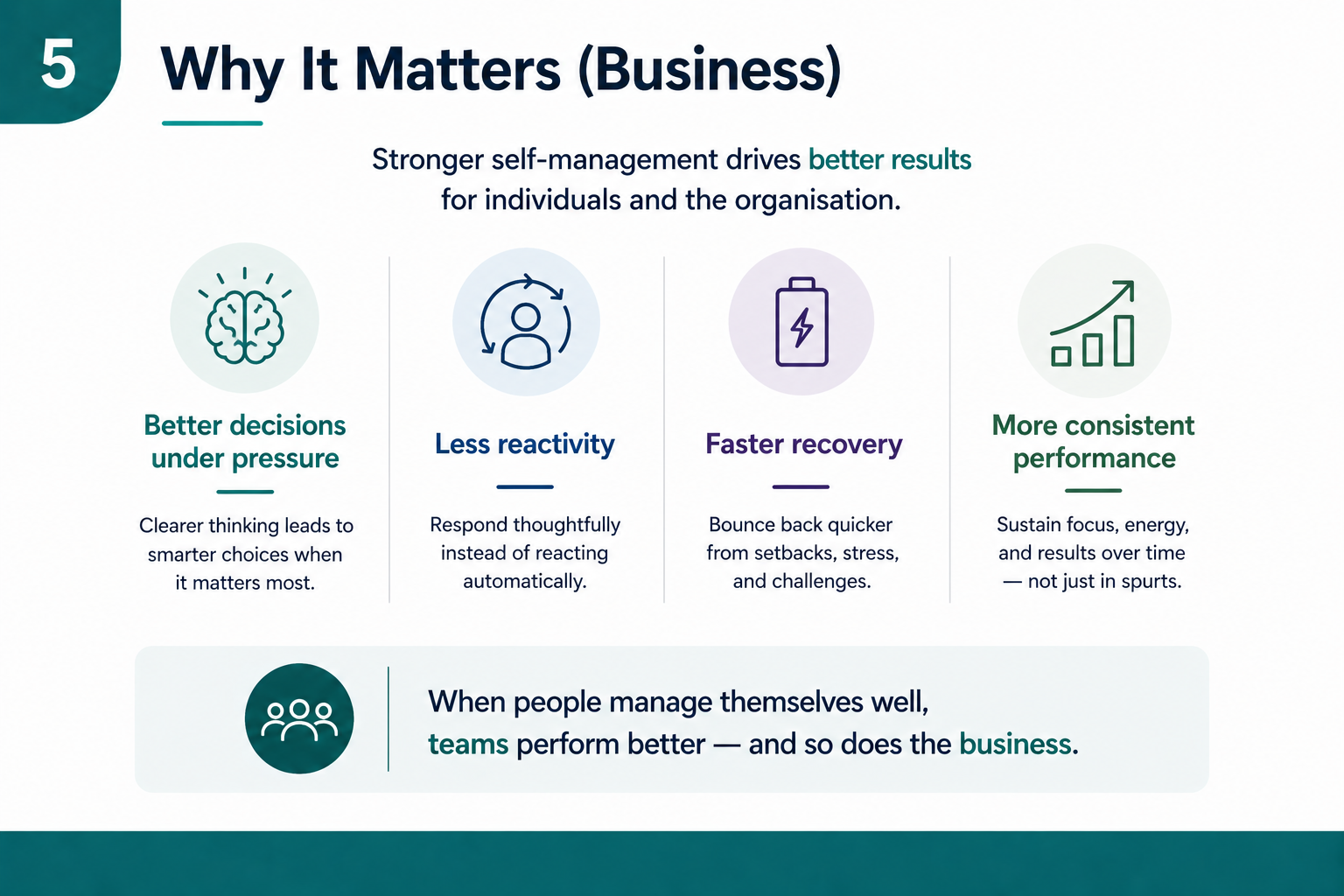
- respond less reactively
- think more clearly under pressure
- manage attention more effectively
- recover faster
- and follow through more consistently
Key Idea
One of the core distinctions in the session is this:
Two people can have:
- the same role
- the same workload
- the same environment
…but experience work very differently.
Why?
Because performance is not just about capability.
It’s also about:
how people manage themselves while doing the work
Who This Is For
This session is designed for:
- leaders
- managers
- teams
- delivery environments
- wellbeing leads
- people-focused organisations
Particularly where there is interest in:
- sustainable performance
- resilience
- communication
- focus
- emotional regulation
- or practical wellbeing approaches at work
Format
- ~90 minute Lunch & Learn
- Interactive discussion-based format
- Practical examples and workplace application
- Suitable for team or leadership audiences
Core Outcome
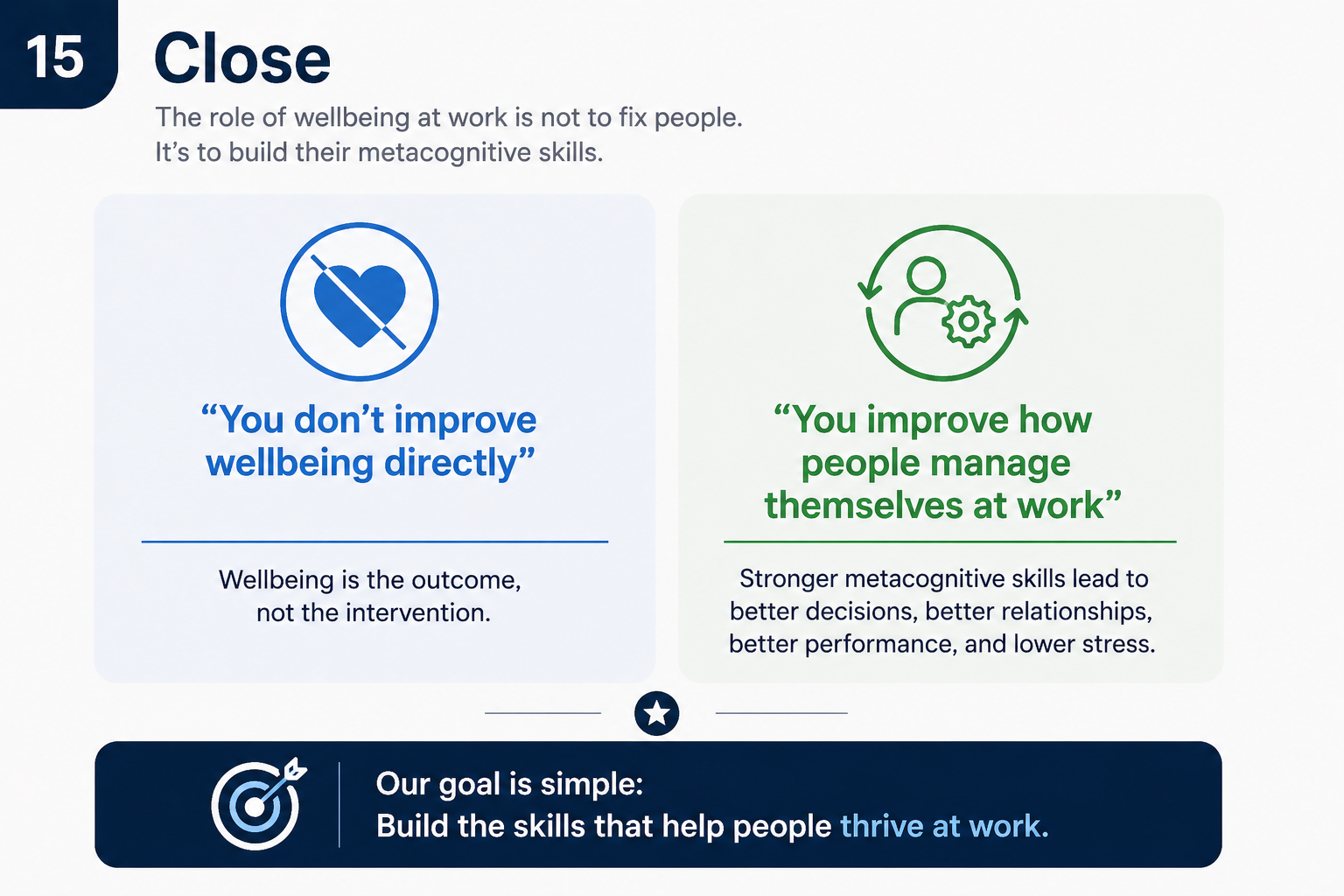
The aim is simple:
improve how people manage themselves at work.
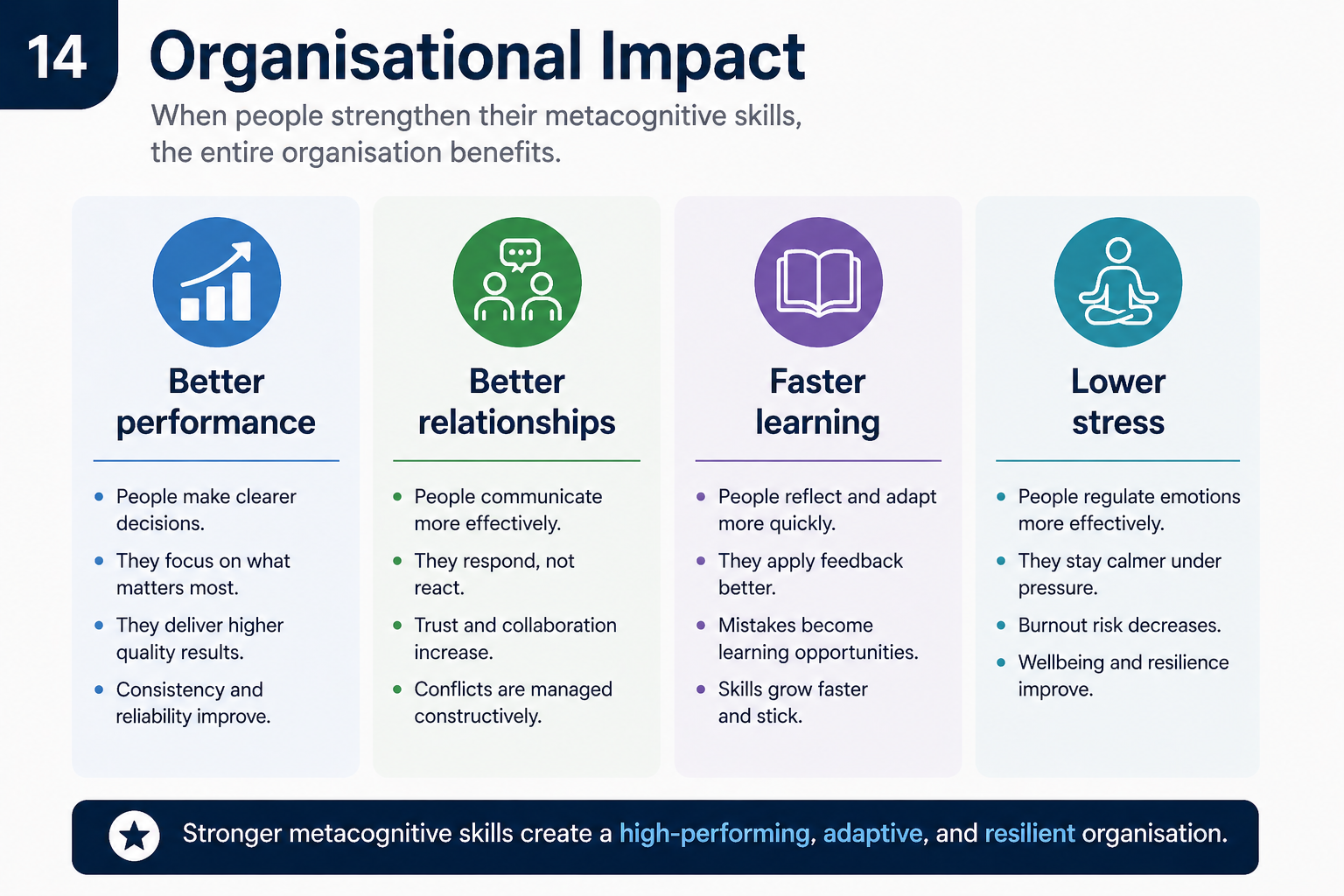
Because when people strengthen those skills:
- performance improves
- relationships improve
- recovery improves
- and wellbeing tends to improve alongside them
Download the PDF Version (includes Notes)