
If evolution is driven by the expansion of the species rather than the survival of the species, it changes more than our understanding of nature. It changes how we think about achievement, purpose and wellbeing itself. The interests of the species and the interests of the individual may not be the same thing.
Browsing CategoryMisc.

Flow Theory Was Right. Attention Research Was Right. They Were Both Missing Something
Why Two of the Most Important Theories of Attention Are Describing the Same Thing — and Why Neither Gets It Quite Right

Evolutionary Mismatch: Why Modern Humans Struggle with Dopamine, Stress and Anxiety
The System Is Operating Exactly as Designed. The Environment Has Changed. A few years ago, if someone had told me that many of the challenges we face today might be the result of systems working…

Why Scrolling Isn’t Rest — Attention, Recovery, and the Dopamine Problem
The Starting Point: Attention Is a Depletable Resource Attention is not unlimited. You cannot will yourself to get more of it when depleted, and powering through is not the answer. At different times of the…

Productivity Is More Than Work
Many of the things people dismiss as distractions from productivity are actually some of the strongest drivers of long-term wellbeing and sustainable performance.

The Lever: Redefining Organisational Success
Redefining organisational success means recognising that long-term performance is shaped not only by financial outcomes, but also by the quality of the environment people work within.

Hope at Work
Most workplace wellbeing conversations focus on stress, burnout, or workload.
This session looks at something underneath all three: Hope.
Not as positivity or motivation talk. As a practical system

Metacognitive Skills at Work
Better self-management at work.
Practical skills for managing attention, reactions, and thinking under pressure.

Why Some Problems Feel “Insurmountable” (and What That Actually Signals)
A 90-minute, theory-driven session for leaders working on complex, persistent challenges
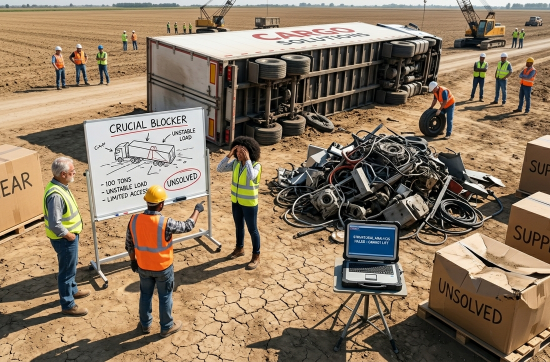
The 4-Step Drill for “Impossible” Problems
A 60-minute, ready-to-run session to help teams move from stuck → one concrete action in 48 hours